Why Oceans Matter
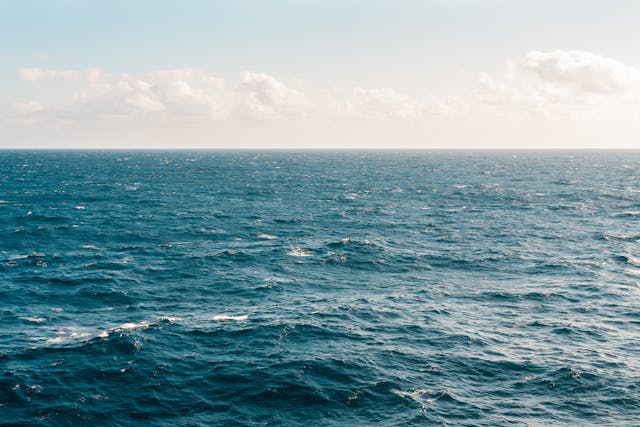
Oceans are often called the “blue heart” of our planet, covering more than 70% of Earth’s surface and providing essential life-support systems. They generate over half of the world’s oxygen, absorb vast amounts of carbon dioxide, and play a critical role in regulating the climate. However, our oceans face numerous threats, from plastic pollution and overfishing to climate change and coral bleaching. It’s time we take a deep dive into why ocean conservation matters and how we can all make a splash in protecting our seas.
Article Sponsor: Parking Lot Striping Little Rock
The Threats Facing Our Oceans
Plastic Pollution: A Sea of Waste
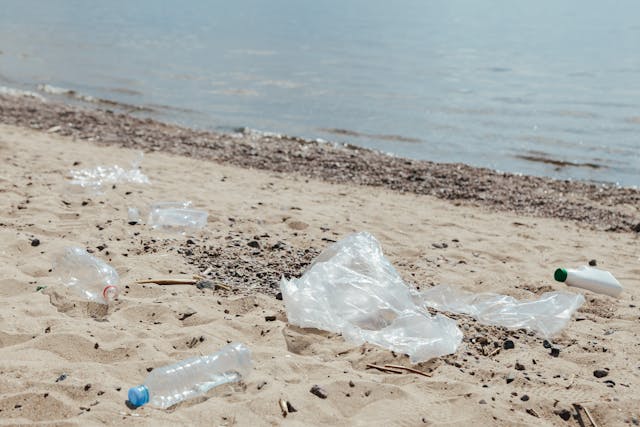
Each year, millions of tons of plastic waste end up in the oceans, creating massive floating garbage patches. This plastic doesn’t decompose; instead, it breaks down into microplastics, which marine animals often mistake for food. As these plastics make their way through the food chain, they also affect humans who consume seafood.
Solution: Cutting down on single-use plastics—like plastic bags, bottles, and straws—and switching to reusable alternatives can reduce the amount of plastic entering the oceans.
Overfishing: An Ocean without Fish?
Overfishing is depleting fish populations at a rate faster than they can reproduce. Species like tuna, cod, and swordfish are now at risk of becoming endangered. Beyond depleting populations, overfishing also disrupts marine ecosystems and threatens the livelihoods of coastal communities that depend on fishing.
Solution: Choosing sustainably sourced seafood and supporting fisheries that follow responsible practices can help maintain fish populations for the future.
Coral Bleaching: The Ocean’s Warning Signal
Coral reefs, often referred to as the “rainforests of the sea,” are home to countless marine species. Rising ocean temperatures due to climate change cause coral bleaching, where corals lose their vibrant colors and turn white. Without intervention, coral reefs could vanish entirely, which would have devastating effects on biodiversity.
Solution: Reducing our carbon footprint through energy conservation and switching to renewable energy sources can help slow climate change and protect coral reefs.
How We Can Protect Our Oceans
Support Ocean-Friendly Products
Many everyday products—from clothing to cosmetics—contain microplastics or are linked to harmful ocean practices. Look for ocean-friendly alternatives, such as reef-safe sunscreens, natural fibers instead of synthetic fabrics, and biodegradable cleaning products.
Participate in Beach Cleanups
One simple yet impactful way to help the oceans is by participating in local beach cleanups. Removing trash from shorelines not only makes beaches more enjoyable but also prevents waste from entering the ocean. You can also organize your own cleanup events to engage your community.
Educate Yourself and Spread Awareness
Knowledge is power! Learn about the challenges our oceans face and share that information with others. Social media campaigns, documentaries, and environmental advocacy can inspire action on a larger scale.
The Power of Policy: Why Governments Matter
While individual actions are crucial, large-scale change requires strong policies and international cooperation. Marine protected areas (MPAs) are designated zones where human activity is limited to allow ecosystems to recover and thrive. Encouraging governments to expand these areas and enforce fishing regulations can make a tremendous difference in the health of the oceans.
Every Drop Counts
Ocean conservation isn’t just for marine biologists or environmentalists—it’s for everyone. Whether you live near a coast or in the middle of a city, the health of the oceans impacts us all. By making conscious choices, supporting sustainable businesses, and spreading awareness, we can protect the blue heart of our planet for generations to come. Together, every small effort becomes a ripple that builds into a wave of change.
Incorporating ocean-friendly habits into your daily routine may seem like a drop in the bucket, but every action adds up. Let’s all work together to safeguard our seas and ensure that future generations inherit a healthy and vibrant ocean ecosystem.
Thank you for visiting our site and reading our articles. We hope you are finding some good information. If you have any comments or questions, please contact us today. We also ask that you visit our sponsor Little Rock Parking Lot Striping today.